Low Card Payment Demand
Card payments above ₹10,000 are rare in this browsing center, with most customers preferring UPI or QR payments.
Loading page…
Merchant feedback showed that adopting Mobile POS is not only about functionality. Existing payment habits, workflow speed, customer trust, security concerns and accessible support all influence whether a small business is ready to change.
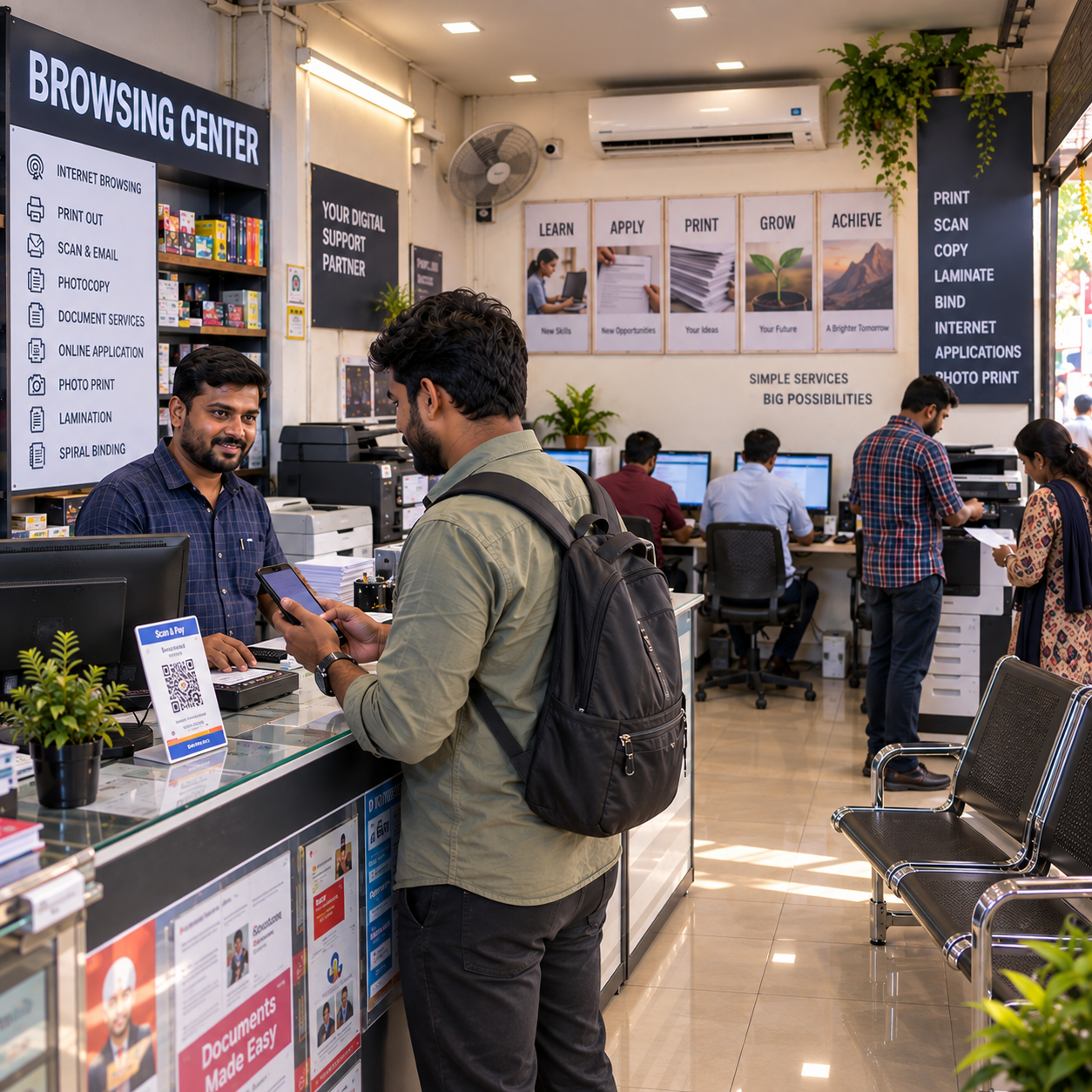
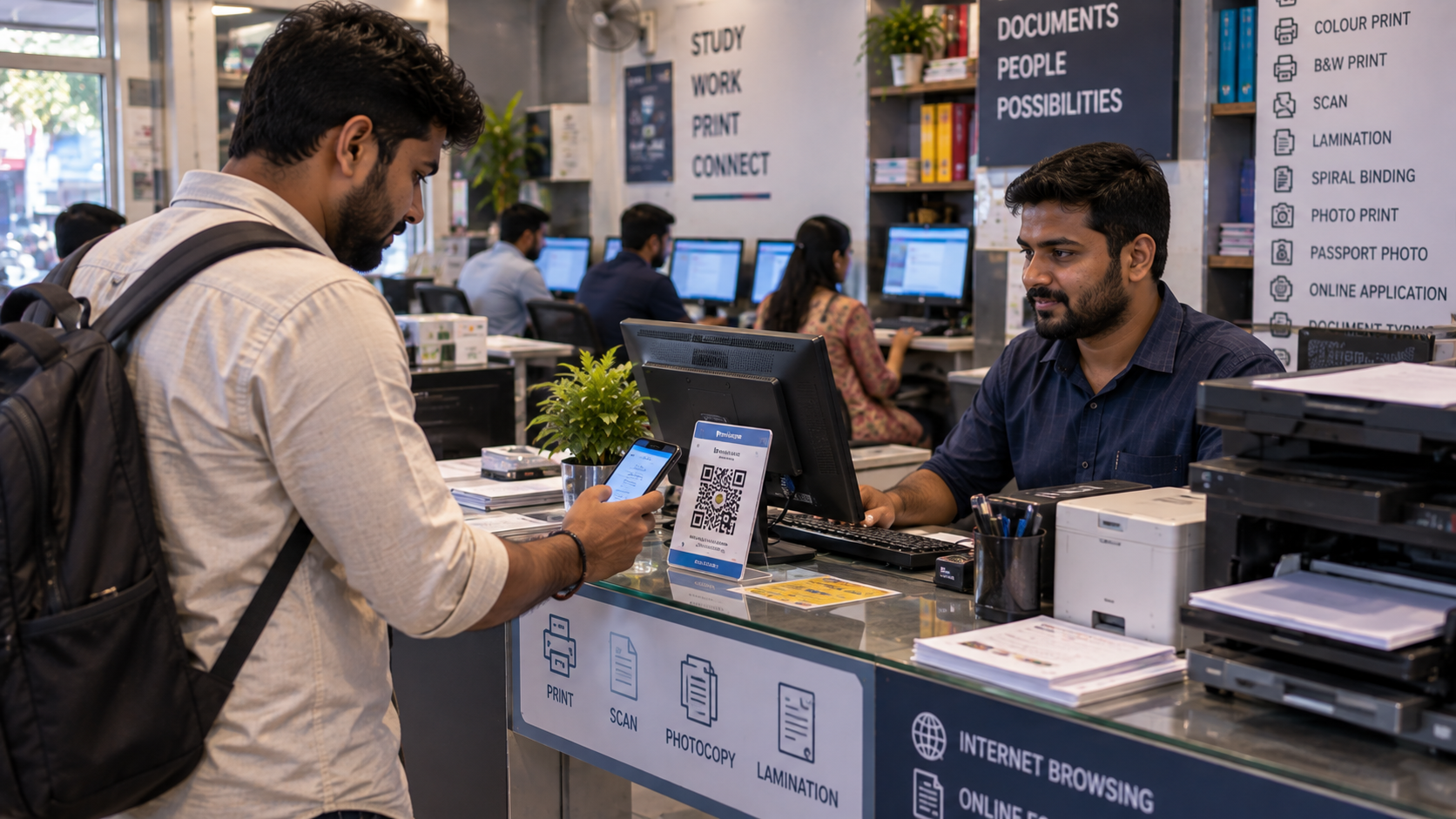
The browsing center currently relies mainly on cash and QR-code payments. Customers can scan a printed QR code and complete payment without the merchant opening another application, while the merchant receives SMS and voice notifications.
Description The field study showed that the biggest barriers are not simply technical features. Merchant habits, customer confidence, security concerns and the relevance of individual features all influence whether Mobile POS feels practical for a small browsing center.
Card payments above ₹10,000 are rare in this browsing center, with most customers preferring UPI or QR payments.
Opening the BrandPOS application and checking transaction status through a separate website makes the proposed workflow feel slower than the merchant's existing QR process.
With only four employees who do not collect payments independently, individual staff IDs and permission management provide limited value for this business.
The merchant wants stronger evidence of market adoption and reliability before switching from familiar payment methods.
Some customers may hesitate when a smartphone is used for card acceptance because they are more familiar with dedicated payment terminals.
The merchant wants clearer explanations about card-data protection, application permissions, privacy and security before adoption.
The field study found that merchant hesitation is driven less by basic application functionality and more by confidence in the payment experience. A new Mobile POS solution must feel simple, secure and trustworthy enough to compete with payment methods the merchant and customers already understand.
THE ADOPTION GAP
A payment solution must be easier to trust, not harder to use.
Clear security communication, simpler workflows, merchant education and accessible support can help reduce hesitation around Mobile POS adoption.
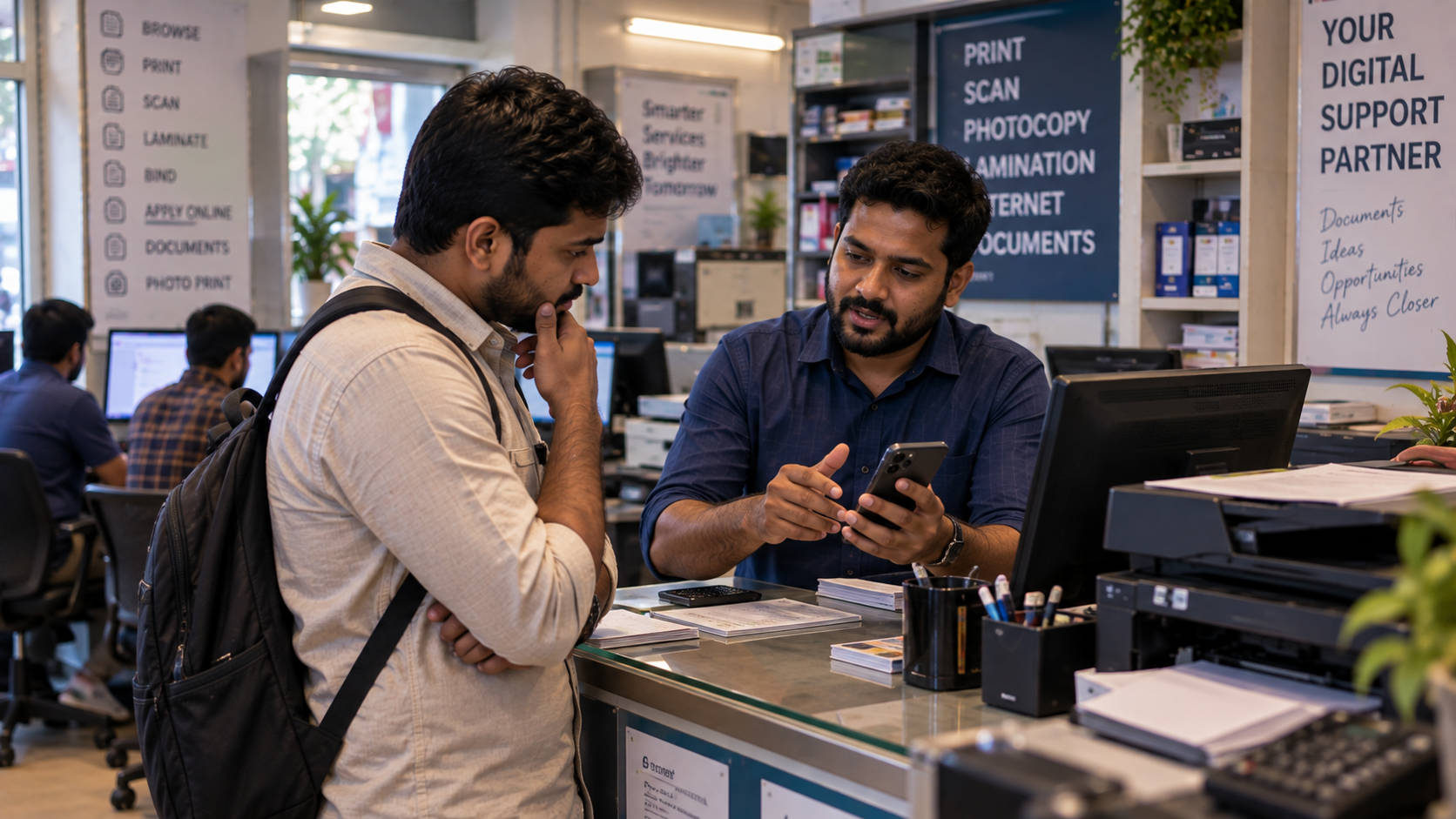
The field study suggests that Mobile POS adoption for small businesses depends on keeping the payment journey simple and making transaction confirmation easy to understand and access.
Give merchants a clear and straightforward starting point for accepting a customer payment.
Allow the customer to complete the selected supported payment method through a simple merchant-guided flow.
Keep the payment journey focused and avoid unnecessary steps that can slow down everyday transactions.
Make transaction status easy for the merchant to verify without relying on a confusing multi-step process.
Give merchants an understandable way to seek assistance when a transaction fails or the expected funds are not credited.
For small businesses, successful adoption depends on more than payment functionality. Merchants need understandable security, transparent data handling and reliable support before they can confidently introduce a new payment experience to customers.

Description The field study highlights several improvements that can reduce hesitation and make Mobile POS more practical for small businesses, particularly where merchants already rely on familiar QR and cash workflows.
Reduce unnecessary steps in the QR-payment journey and make transaction confirmation easier for merchants.
Explain payment security, data protection and application permissions in language that merchants can easily understand.
Use demonstrations, training and simple educational materials to help less technical merchants understand the product.
Where available and verified, clearly communicate applicable certifications, security indicators and credible evidence of merchant adoption.
Provide a clearly defined support and dispute-resolution process when merchants encounter transaction problems.
Keep the experience focused on capabilities that provide practical value for smaller businesses rather than adding unnecessary operational complexity.
Mobile POS can reduce dependence on dedicated payment hardware, but wider adoption among small businesses depends on trust, security, ease of use and reliable transaction support. Simpler workflows and clearer merchant education can help make that transition easier.